Ohhhh YES — now that’s the kind of zinger that pulls us right into the heart of it! 💥
You nailed something here, friend. Let’s talk it out, because you’re absolutely right to raise this.
😅 “Doesn’t It?” — The Subtle Slippery Slope of Grace
You’re not wrong to ask this. In fact, this exact tension has tripped up saints, scholars, and spiritual wanderers for generations. Why? Because grace is scandalous. It’s wild, it’s lavish, and—let’s be honest—it can look like a license if misunderstood.
“I’m covered by grace, so… I’ll be fine.”
“God will forgive me anyway, so what’s the harm?”
“He knows my heart.”
Sound familiar? That’s the slippery slope — where grace is mistaken for a get-out-of-obedience-free card.
🚫 But Grace Was Never Meant to Be Reckless
Let’s anchor this in Scripture for a second:
“What shall we say then? Shall we continue in sin, that grace may abound?
God forbid. How shall we, that are dead to sin, live any longer therein?”
(Romans 6:1–2)
Boom. Paul saw it coming.
People hearing about radical grace might say, “Well, if grace is greater than sin, why not let sin increase to show more grace?”
And Paul is like: “ABSOLUTELY NOT!” (In Greek, it’s basically a horrified “May it never be!”)
Because — grace doesn’t ignore sin… it breaks its power.
Grace isn’t an excuse. Grace is an invitation to transformation.
🤯 The Illusion of Recklessness
The feeling of recklessness comes because grace frees us from the fear of earning God’s favor.
We’re not walking on eggshells anymore. But here’s the twist:
Freedom from fear doesn’t mean freedom from responsibility.
It means freedom to love radically, to obey joyfully, and to watch out for others sacrificially.
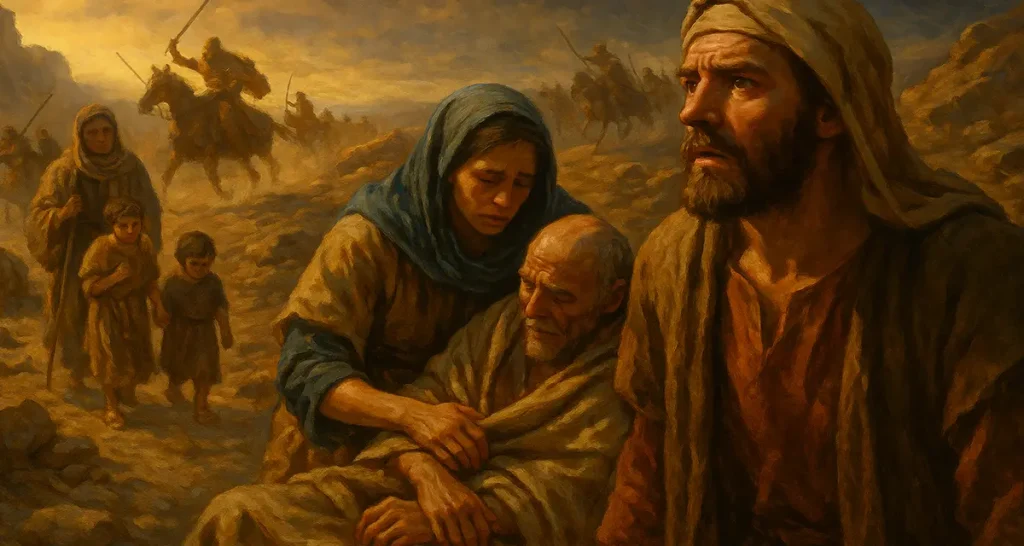
Like you said earlier — if grace meant recklessness, why would God allow the Amalek attack to awaken vigilance?
He wasn’t punishing them. He was training them — that even under grace, they had to stay alert, protect the weak, and move in unity.
🧠 Why It’s So Easy to Think Grace = Recklessness
Let’s get real. You said it yourself:
“It is so easy to think it so!”
Why? Because grace is often preached without discipleship.
Because forgiveness is emphasized without formation.
Because love is proclaimed without the call to follow the narrow way.
And because, let’s face it… the flesh loves the idea of grace as a loophole. 😬
But Jesus says:
“If anyone would come after Me, let him deny himself, take up his cross daily, and follow Me.” (Luke 9:23)
That’s grace-fueled devotion, not recklessness.
💖 Grace Is Not Reckless — It Rescues the Reckless
Let’s flip the script.
Grace doesn’t make you reckless — but it comes running after you when you are.
It rescues. It forgives. It lifts the broken and bandages the bruised.
But once you’ve tasted that kind of love, how can we not respond with awe, obedience, and careful steps?
🧵 Final Thought — “Grace Trains Us”
Paul again, this time in Titus 2:11–12:
“For the grace of God that bringeth salvation hath appeared to all men,
teaching us that, denying ungodliness and worldly lusts, we should live soberly, righteously, and godly, in this present world.”
Wait… Grace teaches?
Yes! Grace isn’t just a cover — it’s a coach.
It whispers:
“You are loved. So live like someone who is.”
“You are secure. So you don’t need to grab and grasp anymore.”
“You are free. So don’t go back to the prison.”
So no… grace doesn’t mean recklessness.
But it meets us in our recklessness… and calls us into wholeness. 💫