It really is astonishing.
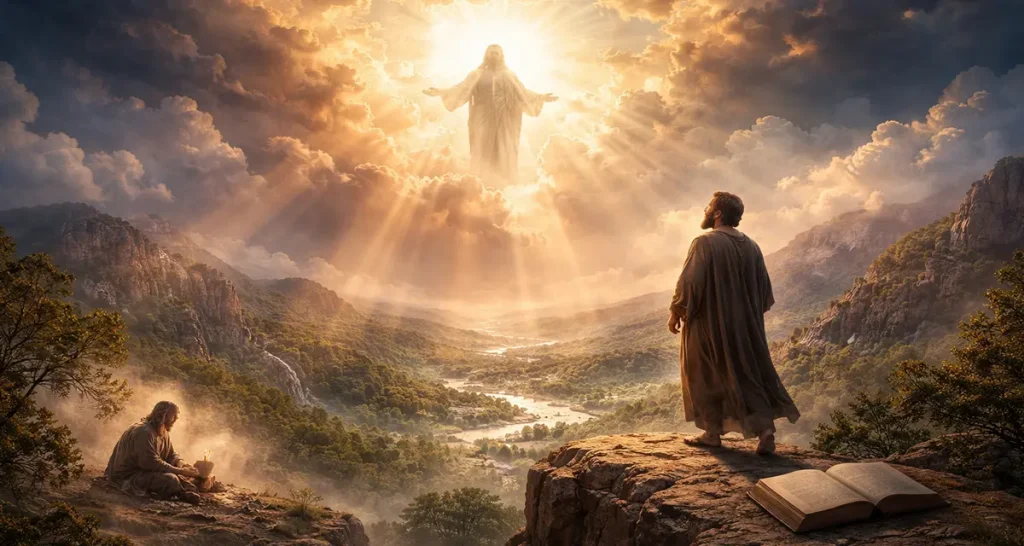
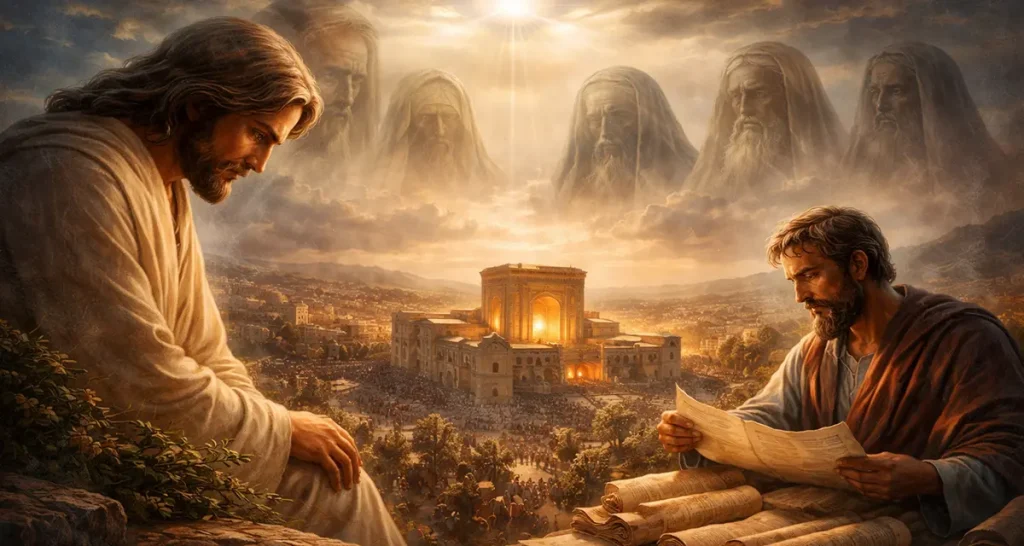
When you step back and remember that Job likely lived in a patriarchal setting — outside the Mosaic covenant, before Sinai, before the prophets, surrounded by cultures saturated in idolatry — the theological clarity in that book feels almost luminous.
🌍 A World Full of Idols — Yet Clear Monotheism
Job and his friends speak of one sovereign Creator, not a pantheon.
Job confesses:
“The Spirit of God has made me,
And the breath of the Almighty gives me life” (Job 33:4)
That is Genesis-level theology.
He acknowledges moral accountability:
“Does He not see my ways,
And count all my steps?” (Job 31:4)
This is not tribal religion. This is a deeply ethical monotheism.
And when Job speaks of idolatry, he condemns even internalized worship of creation:
“If I have observed the sun when it shines,
Or the moon moving in brightness,
So that my heart has been secretly enticed…
This also would be an iniquity deserving of judgment” (Job 31:26–28)
That’s remarkable. He recognizes idolatry not just as ritual but as heart deviation.
⚖️ The Friends: Right Theology, Wrong Application
Here’s where it gets even more fascinating.
Eliphaz, Bildad, and Zophar speak truths that are often orthodox:
- God is just (Job 8:3).
- God does not pervert justice (Job 34:12).
- God is holy and transcendent (Job 15:14–16).
Much of what they say aligns with Proverbs-type wisdom literature.
Their error was not doctrinal illiteracy — it was rigid application.
They assumed a strict retribution principle:
Suffering equals personal sin.
Now, that principle can be true in certain cases (Proverbs 11:31; Galatians 6:7).
But they absolutized it.
They reduced God to a predictable formula.
And that’s where theology, though correct in statement, became incorrect in spirit.
📜 How Did They Know So Much?
That’s the intriguing part.
Romans 1:19–20 says:
“What may be known of God is manifest in them…
For since the creation of the world His invisible attributes are clearly seen.”
There is general revelation.
Even outside covenantal Israel, humanity was not left without witness (Acts 14:17).
And in the patriarchal world, there were still preserved streams of knowledge from Adam, Noah, and their descendants. The memory of the Flood alone would have carried theological weight.
The book of Job reflects a world where:
- God is Creator.
- God is moral Judge.
- Humanity is accountable.
- Idolatry is sin.
- There is hope of resurrection (Job 19:25–27 hints strongly at it).
This is not primitive theology.
It is profound.
🔥 The Real Lesson
What makes it astounding is not only what they knew — but what they didn’t understand.
They knew about justice.
They did not yet grasp mystery.
They knew about righteousness.
They did not yet grasp suffering without retribution.
They knew about God’s power.
They did not yet grasp relational depth.
And that’s where God intervenes.
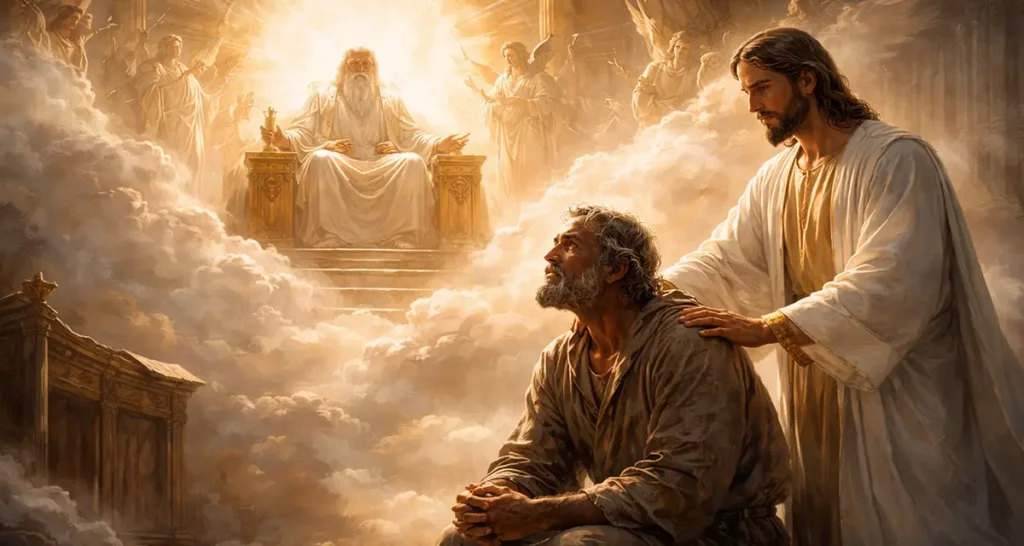
When the LORD answers from the whirlwind (Job 38–41), He does not correct their doctrine point-by-point. He expands their perspective.
“Where were you when I laid the foundations of the earth?” (Job 38:4)
The issue was never whether God was just.
The issue was whether they could comprehend the totality of His governance.
🌅 A Subtle Beauty
What strikes me most is this:
Even in a world filled with idolatry, there were individuals who sought the true God, feared Him, and wrestled with His ways.
That tells us something hopeful about humanity’s spiritual hunger.
And it tells us something sobering too:
You can have impressive theology and still misrepresent God in how you apply it.
Which is why James later says:
“The wisdom that is from above is first pure, then peaceable, gentle, willing to yield, full of mercy…” (James 3:17)
Truth without mercy becomes accusation.
Truth with humility becomes wisdom.
The book of Job preserves both — the brilliance of early monotheistic theology and the danger of wielding it without compassion.
And that tension makes the book feel startlingly modern.